
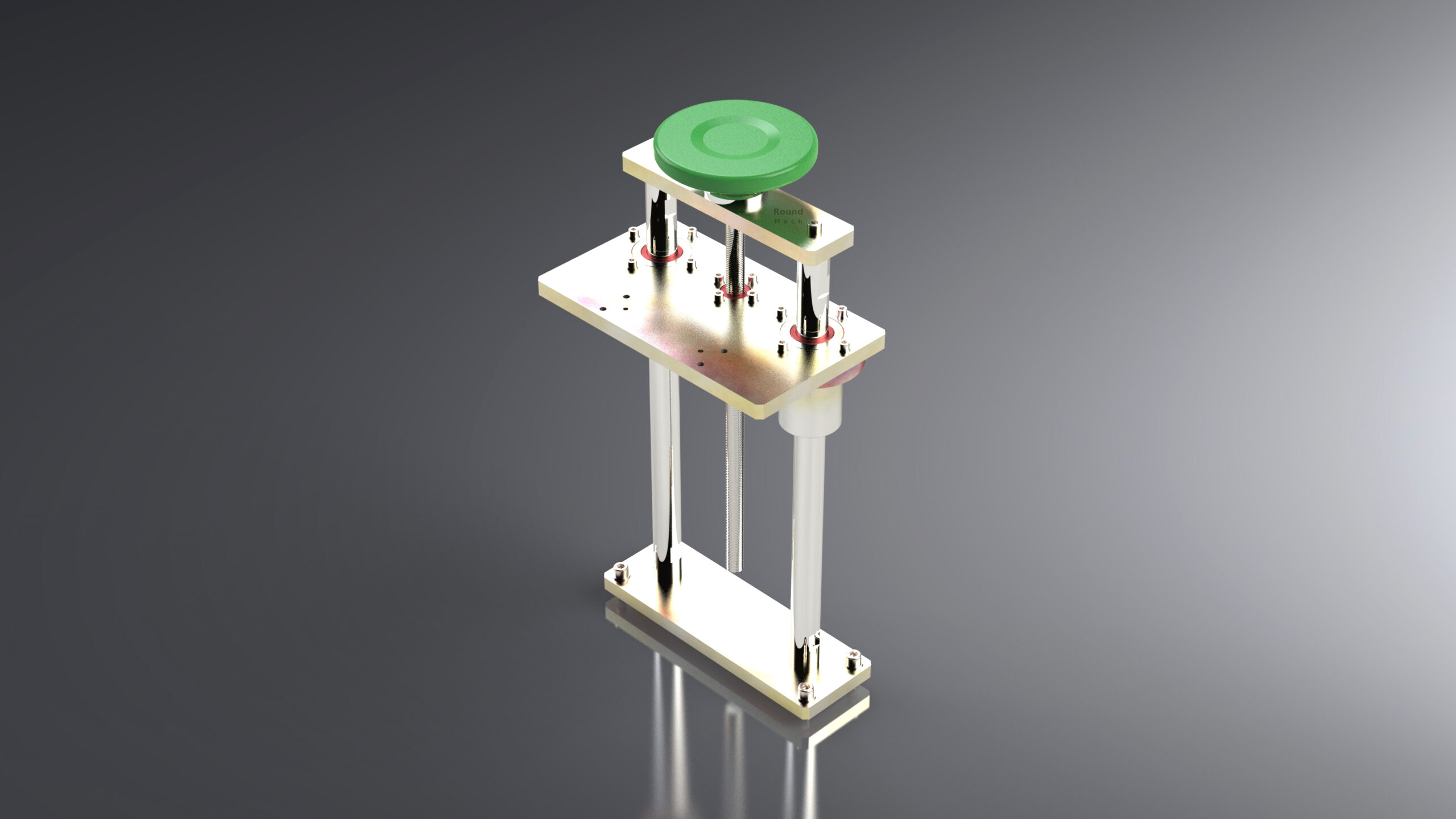
Designing a machine is much more than creating a 3D model. Every successful engineering project follows a structured process, and skipping one of the key stages often leads to unnecessary redesigns, delays, or increased costs.
In this article, we will review the main stages of machine design and explain why each of them is important. Whether you are a student, a junior engineer, or already have experience in mechanical design, understanding these stages will help you approach projects in a more structured and professional way.
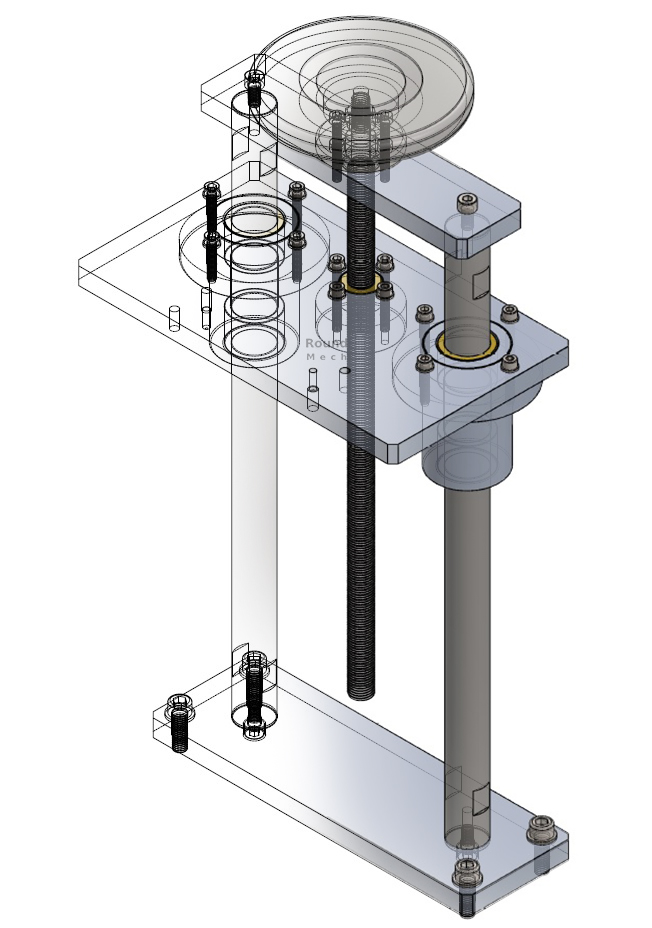
A machine is rarely successful because of excellent CAD modelling. It is successful because the right engineering decisions were made before CAD modelling even began.
1. Design Specification
Before any concept is created or a CAD program is opened, every project should begin with a clear design specification.
The specification defines what the machine must achieve, not how it will achieve it. It provides the designer with the project requirements, limitations, and overall objectives.
Typical information included in a design specification may include:
- Available installation space (layout)
- Maximum machine dimensions
- Production capacity
- Product type
- Required cycle time or throughput
- Budget limitations
- Safety requirements
- Hygienic requirements (if applicable)
- Project deadlines
- Other customer-specific requirements
At this stage, the focus is not on mechanical details but on understanding the engineering problem that must be solved.
Example – Adjustable Machine Stand
The design specification could include:
- Maximum overall dimensions
- Required load capacity
- Product size range
- Main functions of the stand
- Required lifting method
- Drive system
- Mounting interface for the product
- Service intervals
- Ease of maintenance
- Repairability
- Safety requirements
- Additional customer requirements
A well-written specification significantly reduces misunderstandings later in the project.
2. Concept Design
This is arguably the most important stage of the entire project.
One mistake that many engineers discover too late is that a wrong hole position or an incorrect dimension is usually easy to fix. A poor machine concept is often expensive to correct and sometimes can even lead to project failure.
During the concept phase, the goal is not to design every part in detail. Instead, it is to determine the overall engineering solution.
Typical questions asked during this stage include:
- Which construction materials should be used?
- What lifting or motion principle is most suitable?
- How should the guiding system work?
- How will stability be achieved?
- Will the machine be easy to manufacture?
- Will it be easy to assemble?
- Can maintenance be performed without major disassembly?
- Can standard components be used?
Engineers often make the mistake of opening their CAD software too early. However, investing additional time in evaluating different concepts usually saves many hours—or even weeks—later in the project.
Example – Adjustable Machine Stand
Possible concept decisions include:
- Material selection for the main structure
- Lifting technology (lead screw, belt drive, pneumatic cylinder, etc.)
- Guide rail arrangement
- Structural stiffness
- Load transfer method
- Drive concept
- Overall machine layout
A strong concept creates a solid foundation for the detailed design that follows.
3. Detailed Design
Only after the concept has been validated should detailed design begin.
This stage includes creating the complete 3D CAD model, selecting purchased components, performing engineering calculations, and preparing the manufacturing documentation.
Typical activities include:
- Creating 3D models
- Designing assemblies
- Selecting standard components
- Engineering calculations
- Preparing manufacturing drawings
- Creating Bills of Materials (BOM)
- Preparing purchased parts lists
- Design reviews
- Risk assessment (where required)
During this phase, the designer also verifies that the machine is practical to manufacture, assemble, maintain, and service.
Example – Adjustable Machine Stand
Typical deliverables include:
- Complete 3D CAD assembly
- Individual part models
- Engineering drawings
- BOM
- Purchased parts list
- Engineering calculations
- Risk assessment
- Assembly documentation
Final Thoughts
Every engineering project is different. The exact workflow depends on the machine type, customer requirements, production environment, budget, and many other factors.
However, the general design philosophy remains the same:
- Clearly define the problem.
- Develop a strong engineering concept.
- Create the detailed design.
Many design problems originate long before CAD modelling begins. In practice, experienced engineers understand that investing more time in the specification and concept phases often prevents costly redesigns later.
Our goal is to build a practical engineering platform where students, young engineers, and experienced designers can find useful knowledge based on real engineering practice. We believe that sharing practical experience is just as valuable as teaching engineering theory, and we hope this article helps you approach your next design project with greater confidence.
More about the example from this article – Z-stage.