
Understanding different electrical motors types and uses is essential for anyone working with or interested in electric motors. Electric motors play a crucial role in various industries and applications, providing power and functionality to a wide range of devices and machinery.
Electric Motors with Permanent Magnets (DC Motors):
Description: Electric motors with permanent magnets have characteristics of high efficiency and easy speed control. They take part in various applications to ensure precision and reliability.
Advantages: High efficiency and easy speed control. Suitable for household appliances and electric vehicles.
Disadvantages: Higher cost and more complex maintenance. Popular in robotics and industry.
Applications: Robotics, automotive industry, household appliances.
Asynchronous Motors (AC Motors):
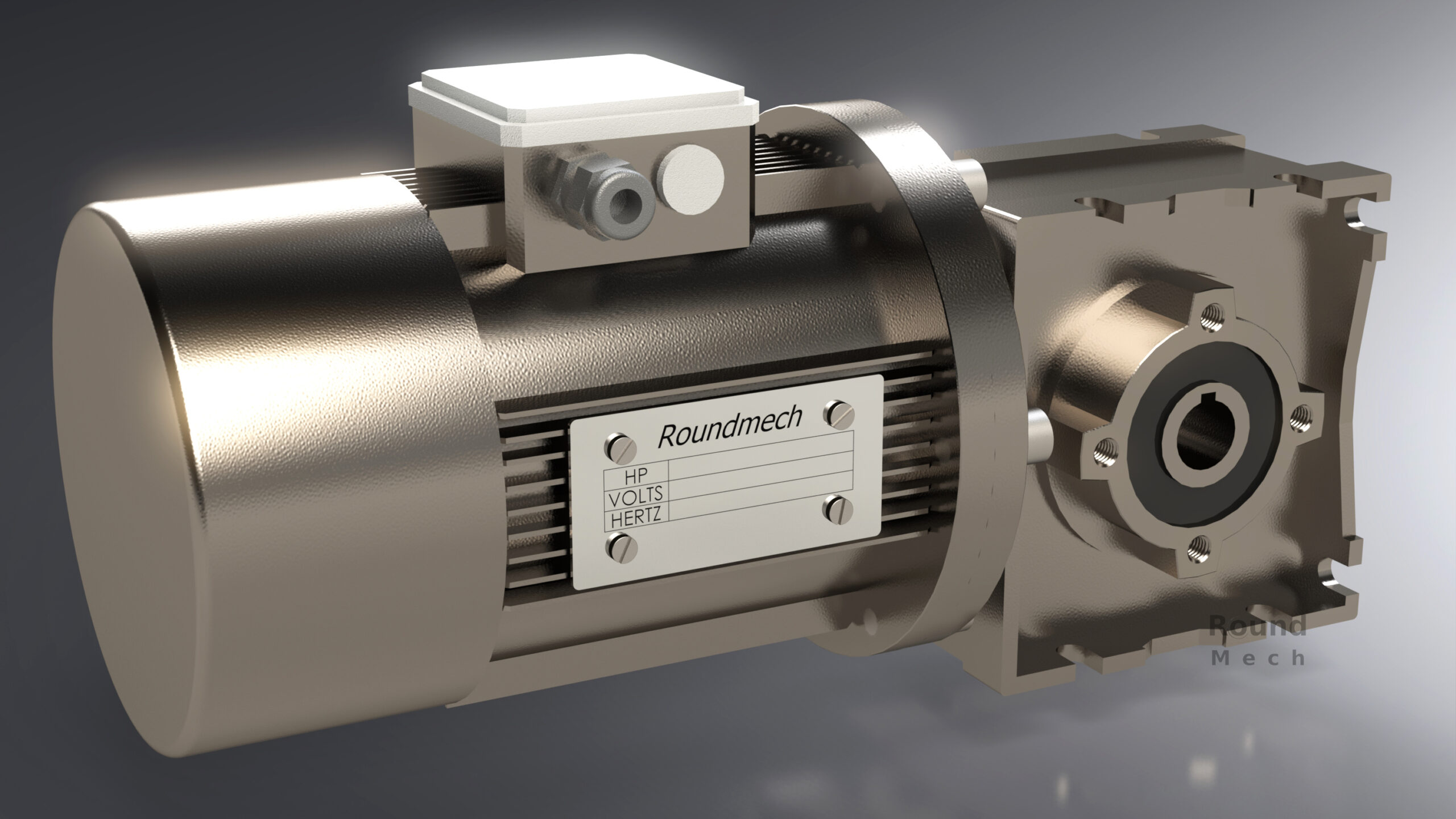
Description: Engineers use Asynchronous motors widely in various industrial applications due to their reliability and easy operation.
Advantages: Reliable operation and low production costs. Used in ventilation systems and conveyor belts.
Disadvantages: Lower efficiency and more complex control. Popular in industry and construction.
Applications: Industrial pumps, ventilation systems, conveyor belts.
Synchronous Motors:
Description: Synchronous motors are widely used in industry and the energy sector due to their high efficiency and speed stability.
Advantages: High efficiency and speed stability. Used in generators and industrial compressors.
Disadvantages: Higher maintenance costs and more complex control. Popular in the energy industry and manufacturing.
Applications: Electric generators, industrial compressors, factory conveyor belts.
Stepper Motors:
Description: Stepper motors are a type of synchronous motor designed for precise control of angular position without the need for feedback systems. They are widely used in automation and mechatronics.
Advantages: Accurate positioning and simple control via pulses. Ideal for applications requiring repeatable motion.
Disadvantages: Lower efficiency and torque at high speeds. Not suitable for high-power applications.
Applications: 3D printers, CNC machines, camera positioning systems, and medical devices.


Servo Motors:
Description: Servo motors are highly precise and are designed for applications that require high positioning accuracy and control.
Advantages: High positioning accuracy and fast response. Used in CNC machines and robotics.
Disadvantages: Higher cost and more complex programming. Popular in precision industries and automation.
Applications: CNC machines, robotics, automated production lines.
—————————

Comparison of different electrical motors types and uses: Although electric motors differ in appearance and operation, each type offers distinct advantages across various applications. DC and AC motors excel in general industrial settings, while servo motors dominate high-precision environments such as robotics and automation. Additionally, synchronous motors are commonly utilized in the energy sector due to their high efficiency and stability.